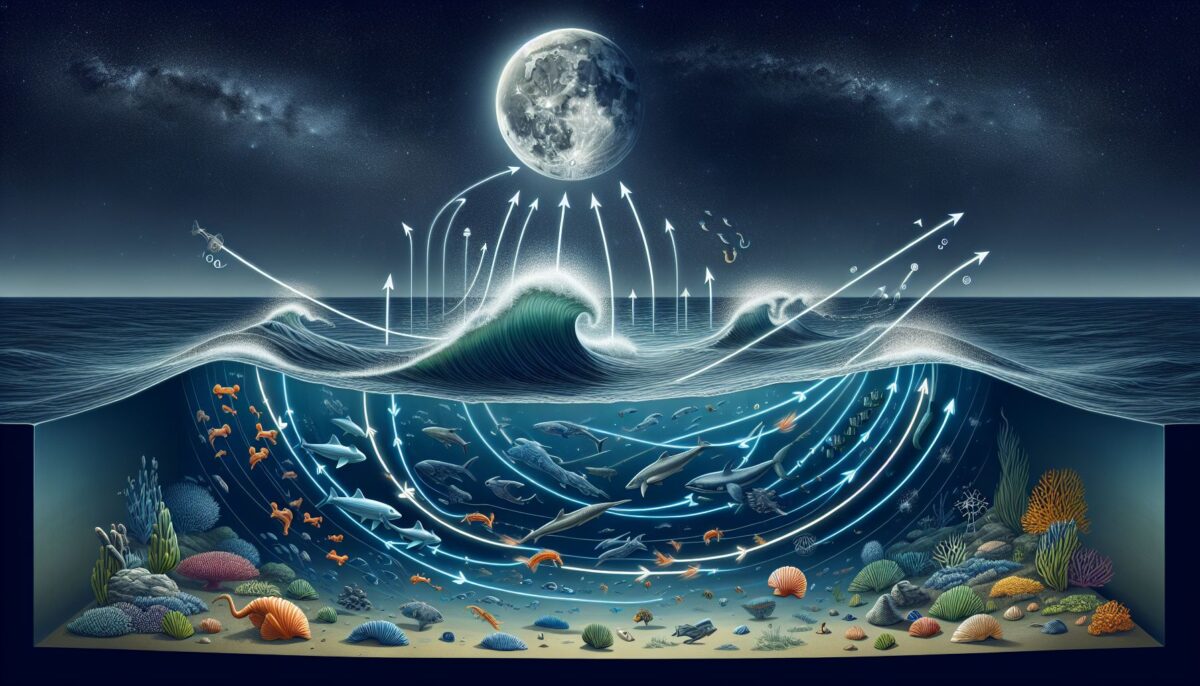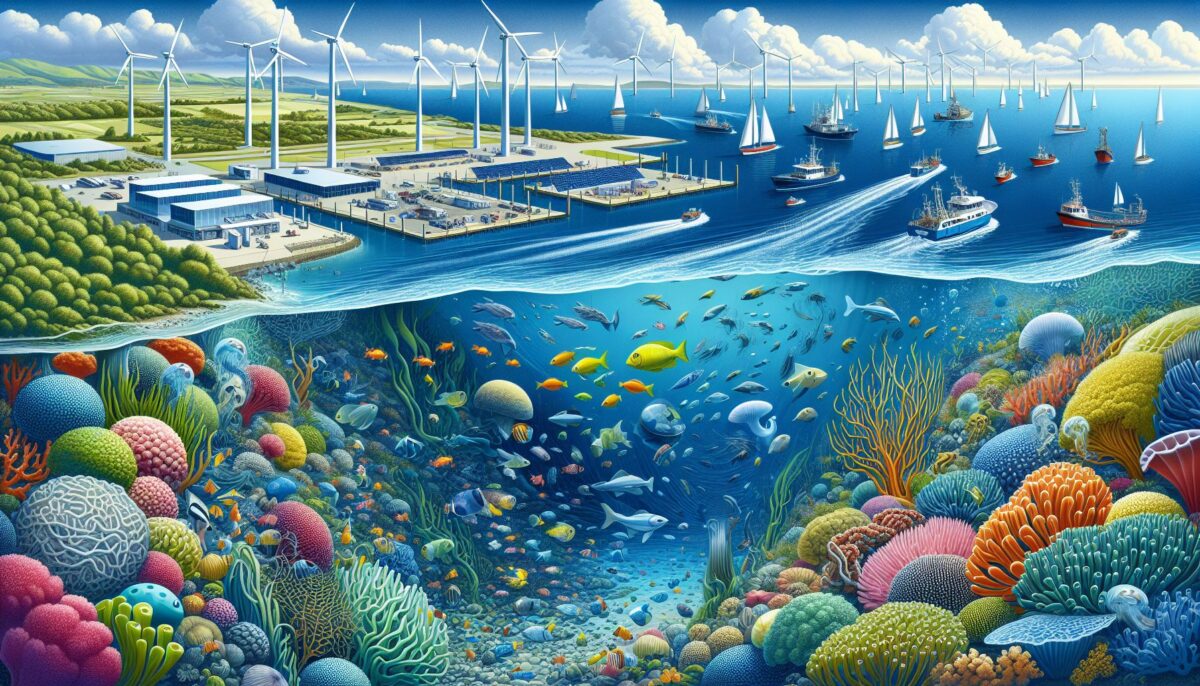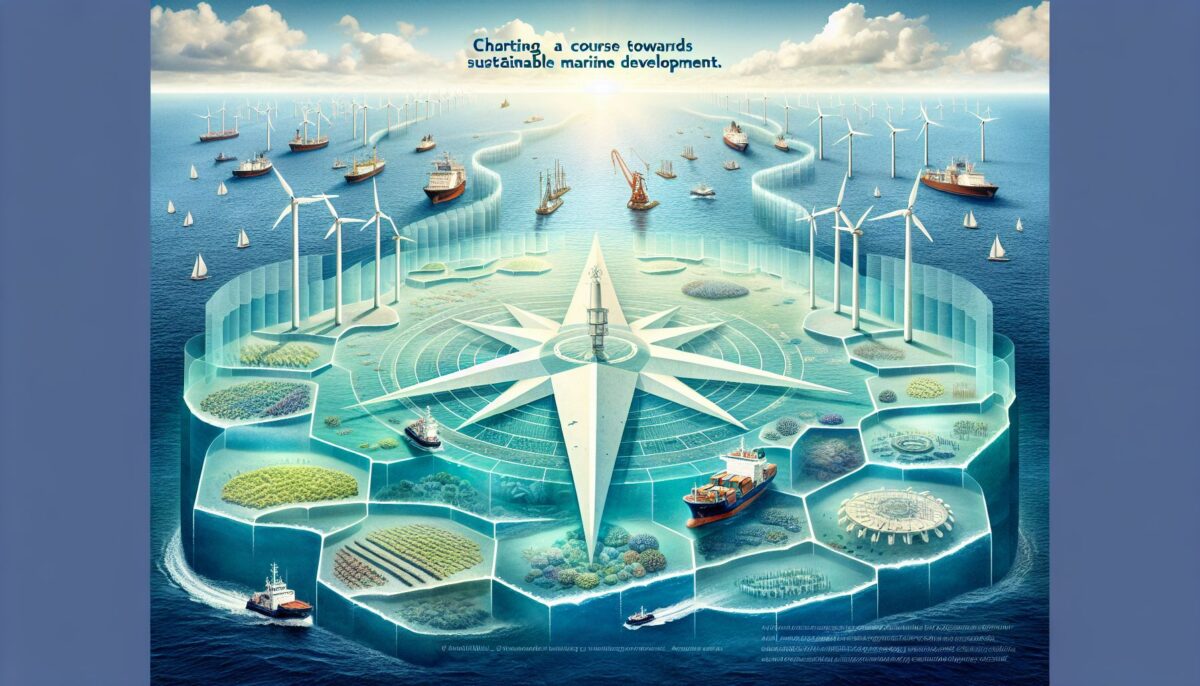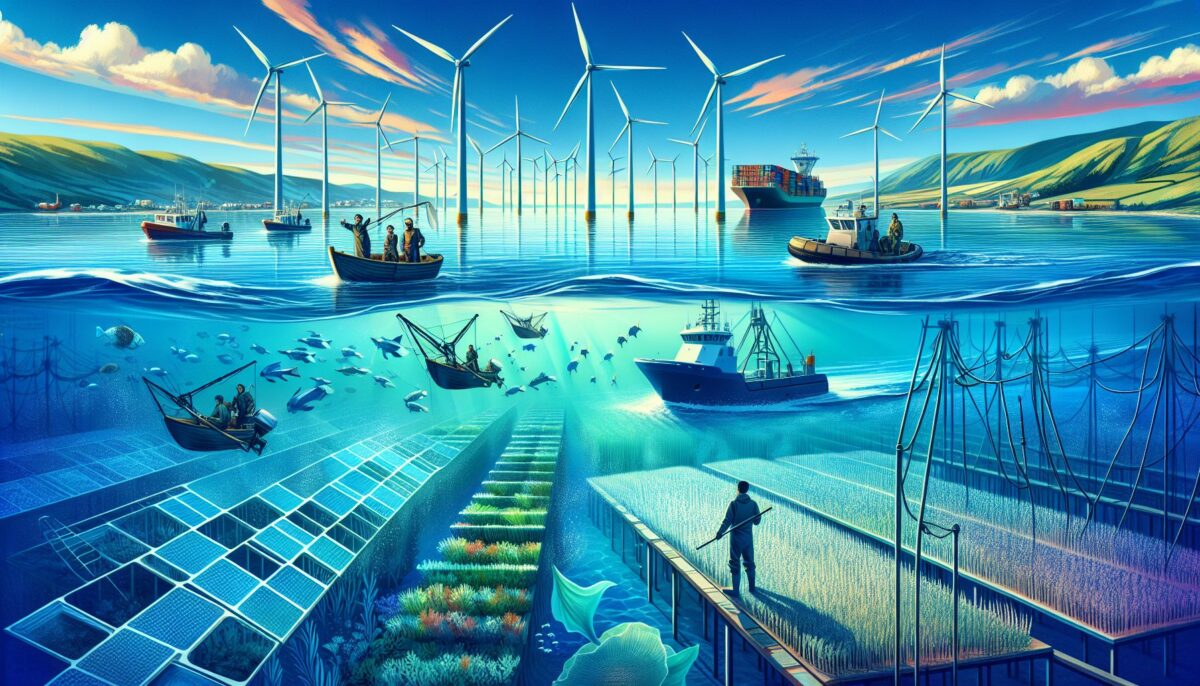
As we further explore our bearing on the planet and the potentially devastating effects that human actions can have on our environment, it has become clear that we need to find sustainable methods for economic development and growth. Recent years have brought the concept of the Blue Economy to the forefront of international conversation. The idea builds on the vast potential of our large bodies of water, promoting economic growth, social inclusion, and the preservation of marine resources. In order to understand the whole concept, let’s delve into the Blue Economy, analyzing its value, potential opportunities, challenges, and future outlook.
The Lure of the Blue Economy
We have always depended on the ocean; it has robustly fueled the global economy with its rich resources, providing seafood, oil, and gas among other goods. Yet, until now, we have largely overlooked the potential of a sustainable marine-based economy. In fact, World Bank defines the Blue Economy as the sustainable use of ocean resources for economic growth, improved livelihoods, and jobs while preserving the health of the ocean ecosystem.
Potential of the Blue Economy
The potential of the blue economy is extraordinary. A report by The Organization for Economic Co-operation and Development (OECD) estimates that the global maritime economy will multiply by 2030, reaching somewhere near 3 trillion USD. But more than just contributing an enormous sum to the global economy, the Blue Economy could also result in a net increase in jobs across the world.
The biggest potential lies in areas such as aquaculture. Aquaculture presents a fantastic opportunity to create livelihoods and feed billions, all while reducing the stress on overfished stocks. Further investment in oceanic shipping and ports can not only increase their capacity and efficiency but also reduce their environmental impact significantly.
Renewable ocean energy is another opportunity. Tidal energy and wave energy can offer a consistent and predictable source of renewable power. Furthermore, marine bio-technology promises new breakthroughs in areas ranging from pharmaceuticals to chemical-free sunscreens.
Challenges to the Blue Economy
The Blue Economy, though exciting in its promise, is not without challenges. Firstly, efficiently exploiting the ocean’s resources sustainably requires careful, comprehensive, science-based management. We are still understanding the ocean, and until that understanding is complete, we will have to step with caution.
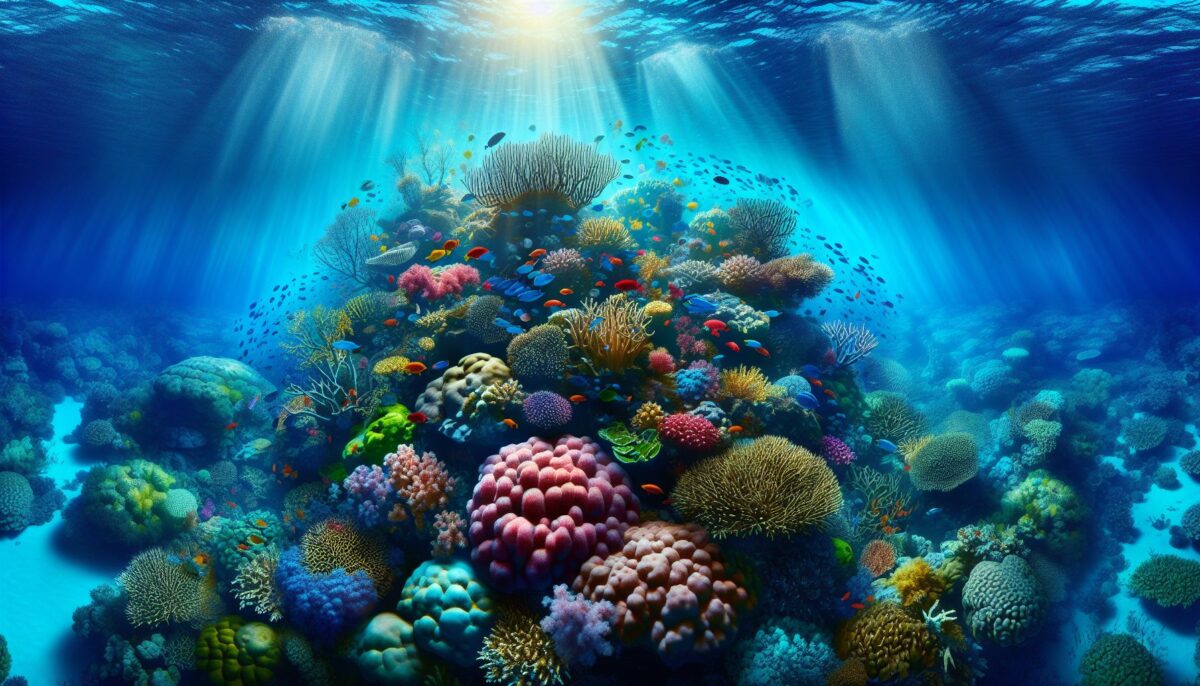
Environmental degradation and pollution are also serious obstacles. Including marine pollution, coral bleaching, oil spills and other issues have already put vast areas of marine ecosystems at risk. Correcting these damages and avoiding further harm is critical to attaining a successful Blue Economy.
The Future of the Blue Economy
Looking towards the future, efforts to promote the blue economy must be balanced with those to safeguard the maritime environment. Coastal management and marine protected areas are two effective strategies for conserving marine biodiversity. The Blue Solution is an initiative developed with support from the German Federal Ministry for the Environment, Nature Conservation, Building and Nuclear Safety under the International Climate Initiative. It promotes the exchange of successful approaches to marine and coastal conservation and development, from the local to the global level, among decision-makers, practitioners, and experts throughout the world.
Let’s be completely clear: the blue economy is not about exploitation; it’s about multiplication with the health of our oceans at its core. It’s about recognizing that the creatures of the sea are not just resources to be used, but invaluable parts of an ecosystem that millions of lives, human and non-human alike, depend on. It’s about realizing that our livelihoods need not come at the cost of the ecosystems that provide them.
For now and future generations, it is our responsibility to look for new ways to sustainably harness the power of the world’s oceans, whilst also safeguarding them against the impact of climate change, pollution, and overfishing. As it strands now, The Blue Economy provides us with the most consonant path towards a sustainable future.
Let us dive deeper into the largely untapped potential of our waters and inspire others to do the same. Let us transform our extractive economy into a regenerative one, where we learn not just to take, but to give back. The Blue Economy: the sustainable future we owe to our planet and generations to come.